



Join thousands of fellow campervan travellers
Sign up for our Britz newsletter to receive inspirational travel content and awesome deals, and we'll send you a copy of our Ultimate RV guide!
Thanks
Please confirm subscription in your email.
Is a Wild Escape road trip right for you?
A Wild Escape road trip could be your kind of wellness reset if nature is where you feel most like yourself. It is less about ticking off attractions and more about slowing down, paying attention and feeling connected to the land around you.
A Wild Escape road trip is right for you if:
-
You feel most at home in forests, on wild coastlines or surrounded by mountains
-
Spotting native birds and wildlife sounds like a great day out
-
You enjoy discovery and want to see a less polished side of New Zealand
-
You want to come home feeling grounded and connected to the land
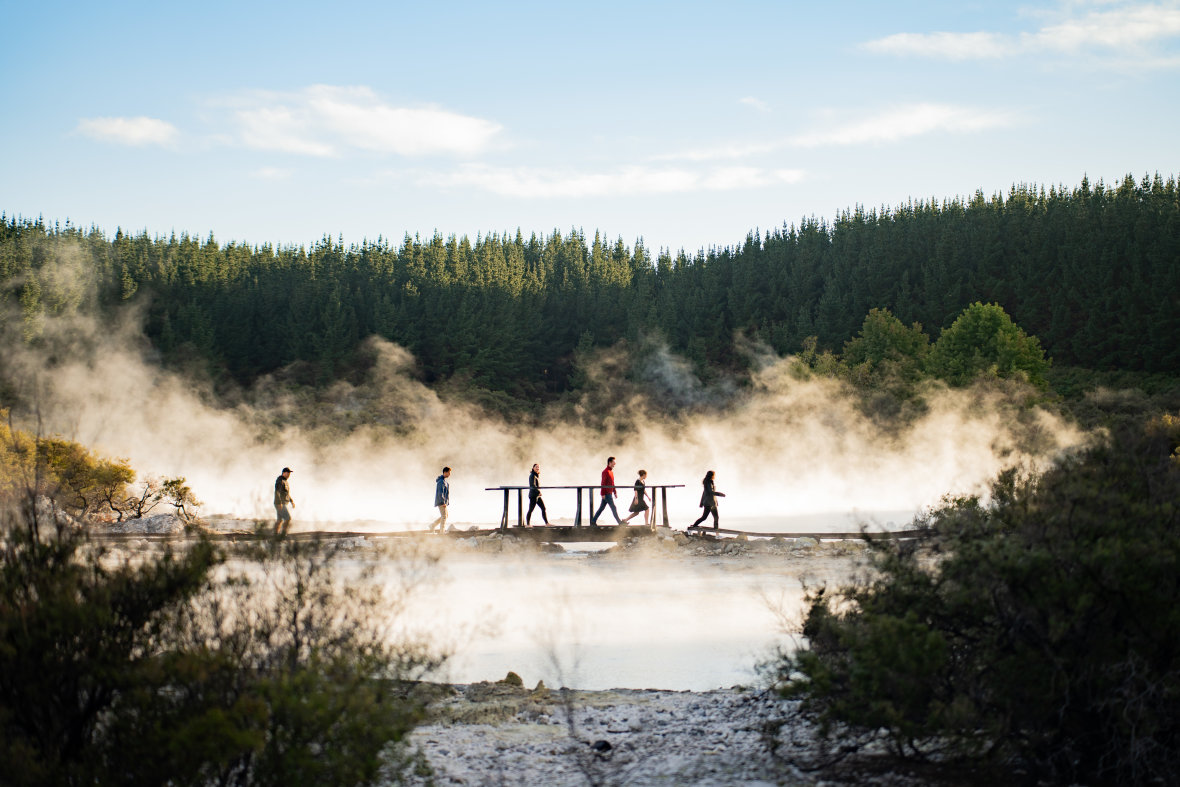
Wild Escape in New Zealand at a glance
|
Best for |
Nature lovers who want wild landscapes, wildlife and a deeper connection to place |
|
Try |
Native forest walks, glowworm caves, geothermal valleys, wildlife sanctuaries, eco tours and glacier country |
|
Travel style |
Unhurried, nature-led and flexible around the weather |
|
Route inspiration |
Auckland to Queenstown via Waitomo, Rotorua, Taranaki, the West Coast and Haast |
|
Easy wellness habit |
An early-morning walk listening for native birdsong |
|
Finish the day with |
A sunset sketch, a weather journal or a soak in natural hot springs |
8 Simple ways to go wild on your New Zealand road trip
|
Wild Escape habit |
How to do it |
|
1. Try forest bathing |
Walk slowly through native bush and tune into all five senses: the smell of damp earth, the texture of bark, the light through the canopy, the sound of birds and the cool, fresh air. |
|
2. Take an early-morning bird-listening walk |
Head out just after sunrise when the forest is at its loudest. Listen for tūī, korimako (bellbird) and pīwakawaka (fantail) before the day gets busy. |
|
3. Walk barefoot on the beach |
Kick off your shoes and feel the sand underfoot. Only walk barefoot where it is safe, and keep an eye on tides, waves and the conditions. |
|
4. Go on a waterfall and rainforest photo walk |
Slow down and look for the details: moss, ferns, light and moving water. Take a few photos, then put the camera away and simply enjoy it. |
|
5. Sketch a sunrise or sunset |
Pull up a chair outside the van and sketch the view as the light changes. No artistic skill needed, it is about noticing more. |
|
6. Have a leave-no-trace picnic |
Pack a picnic, find a scenic spot and take everything home with you. Pick up any litter you find along the way to leave the place better than you found it. |
|
7. Keep a weather journal from the van |
Write down the clouds, the light, the rain on the roof or the wind on the water. On the West Coast, the weather is part of the experience. |
|
8. Take a short tramp (hike) |
Choose a walk that matches your ability and the forecast. Check track conditions before you go and turn back if the weather changes. |
Wild Escape experiences to add to your New Zealand road trip
You do not need to drive the length of the country to do every one of these. The best Wild Escape route is the one that matches your time, interests and chosen island. Pick a few, leave room for the weather and let the landscape set the pace.
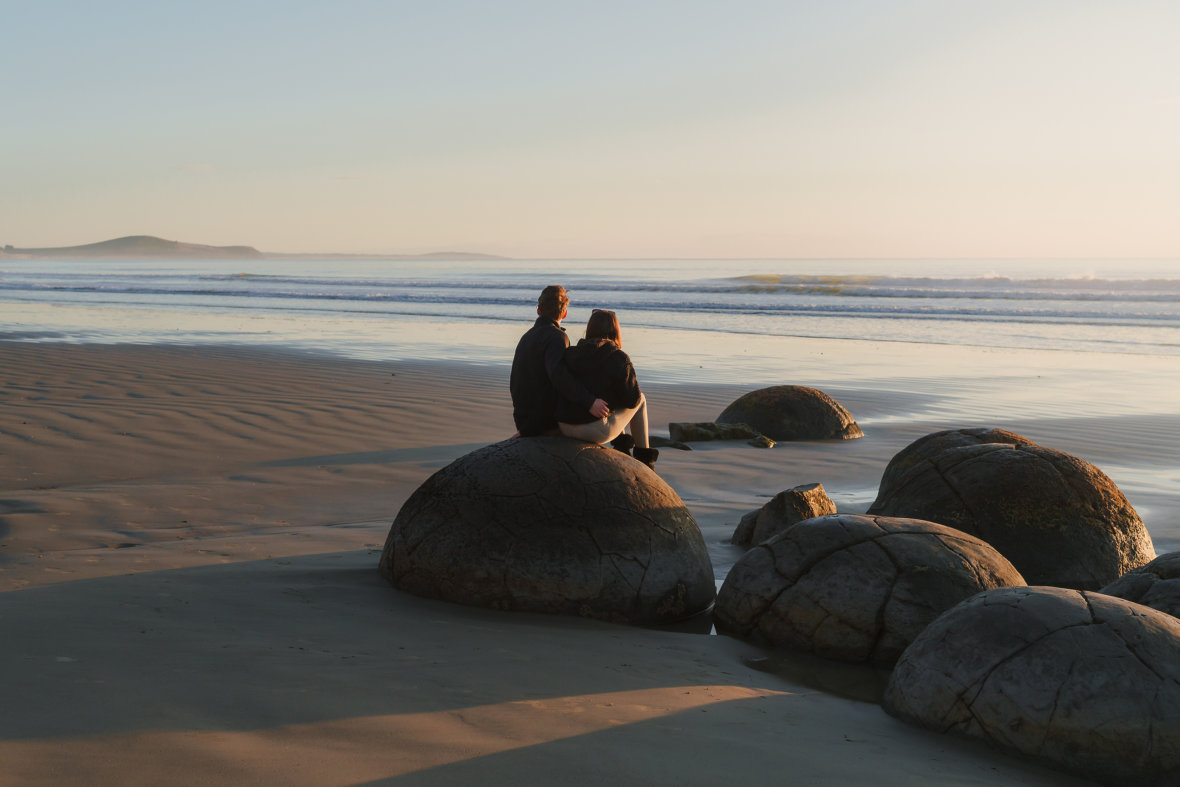
North Island Wild Escape experiences
|
Region |
Experience |
Wild Escape inspiration |
|
Northland |
Meet the ancient kauri giants of Waipoua Forest with local Māori guides. |
|
|
Northland |
Soak in natural geothermal pools after a day exploring the north. |
|
|
Waikato / Waitomo |
Drift beneath thousands of glowworms in an underground world. |
|
|
Waikato |
Walk through protected native forest alive with birdsong and rare wildlife. |
|
|
Rotorua |
Explore a young geothermal valley of steaming lakes, craters and regenerating bush. |
|
|
Rotorua |
Walk among bubbling mud and steam, then try a mud and sulphur spa. |
|
|
Bay of Plenty |
Connect with local Māori hosts and hear the stories of the land. |
|
|
Wairarapa |
Spend time in restored forest and see native wildlife up close. |
South Island Wild Escape experiences
|
Region |
Experience |
Wild Escape inspiration |
|
Golden Bay |
Head out to one of New Zealand's most remote coastlines with a guided eco tour. |
|
|
West Coast |
Discover caves, glowworms and limestone landscapes on a guided adventure. |
|
|
West Coast |
Glide across Ōkārito Lagoon and look out for native birdlife in a quiet wetland. |
|
|
West Coast |
Get up close to glacier country with a guided ice experience. |
|
|
West Coast |
Stay surrounded by rainforest, lake and wild coastline near Haast. |
Your Wild Escape day
-
Morning: Start with an early bird-listening walk and breakfast outside the van.
-
Day: Choose one wild experience, like a forest walk, a wildlife sanctuary or an eco tour.
-
Evening: Sketch the sunset, write in your weather journal or soak in natural hot springs.
What is a wild escape?
A wild escape is a trip built around time in nature, especially places that still feel raw and untamed. Instead of a packed itinerary of attractions, it focuses on forests, coastlines, volcanic landscapes and wildlife, and the feeling of discovery that comes with them.
It is also about connection. Spending unhurried time in a place, learning its stories and noticing the small details can make a trip feel more meaningful. Guided experiences with local operators and Māori hosts are a great way to understand the land, its history and why it matters.
A wild escape does not have to be extreme. A slow walk through native bush, an early morning listening for birds or a quiet evening watching the weather roll in can be just as restorative as a big adventure. The goal is to leave room for nature to do its thing.
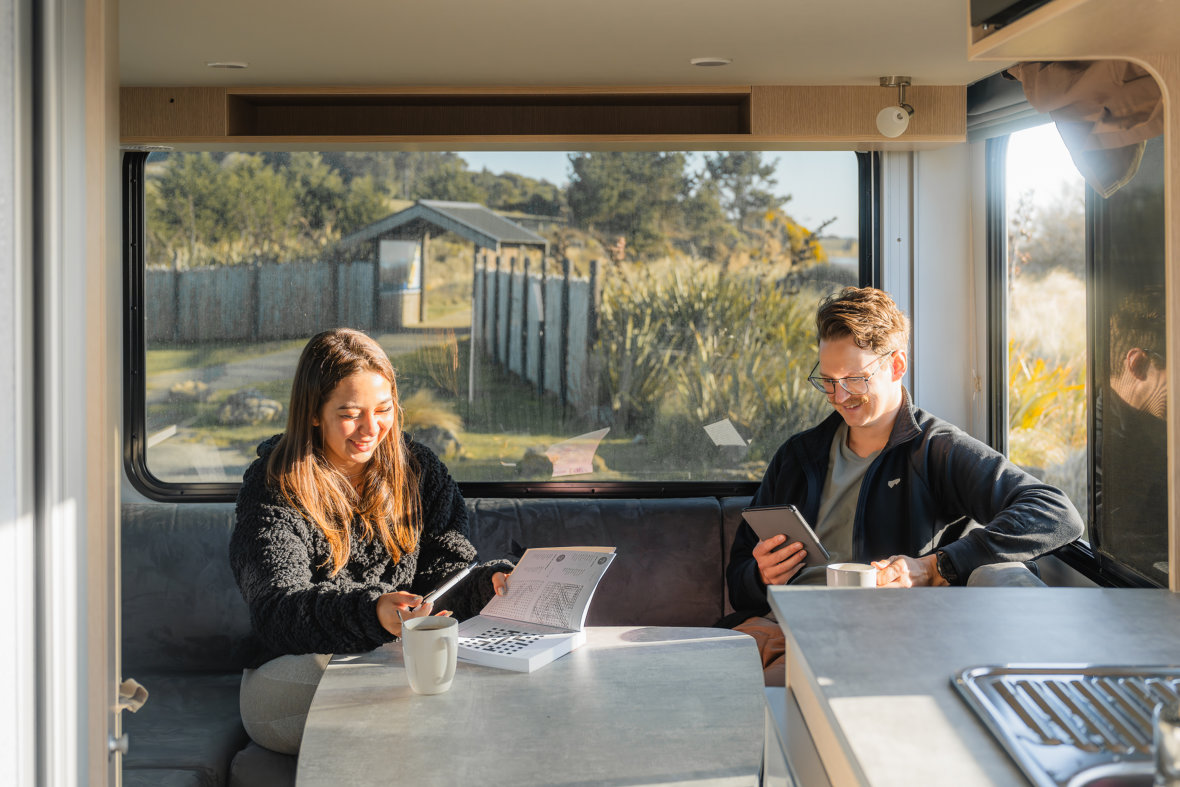
How to plan a wild escape without the stress
Wild places are often remote, so a little planning goes a long way. Download maps before you lose signal, book guided tours ahead and check opening hours, especially outside the main towns. Some places, like Farewell Spit, are protected areas that you can only explore further with an approved tour operator.
The weather is part of the experience, particularly on the West Coast and in alpine areas. Build in flexible days so you can swap plans around the forecast. Check track and road conditions before you go, carry the right gear, let someone know your plans and keep your phone accessible for emergencies. If your route crosses Cook Strait, book the ferry for your campervan in advance.
Respect for nature matters too. Stay on marked tracks, keep a respectful distance from wildlife such as seals and birds, never feed native animals and clean your footwear at kauri dieback cleaning stations where they are provided.
Campervan practicalities are important as well. Britz offers self-contained vehicles, but overnight parking still depends on local rules. Holiday parks, DOC campsites and some freedom camping areas all work differently, and some places prohibit freedom camping entirely. Always follow signs, dispose of waste responsibly and check the latest requirements before you travel.
DOC campsites can be a great way to stay close to nature on a Wild Escape trip. Wherever you stay, check facilities, access and local camping rules before you arrive.
Why New Zealand is perfect for a wild escape
Few countries pack this much wild landscape into one road trip. In the north you can walk among ancient kauri and soak in geothermal springs. Head south and you will find glowworm caves, steaming volcanic valleys and predator-free sanctuaries. Then there is the South Island's West Coast, where rainforest, glaciers, wild beaches and wetlands sit within a few hours of each other.
If you want a gentler version of a Wild Escape trip, focus on one region, a couple of short walks and one guided wildlife or eco experience. You do not need to go deep into the backcountry to feel connected to the wild.
A campervan makes this style of travel especially easy. Your accommodation moves with you, so there is no need to rush back to a hotel or repack every day. You can make breakfast beside the van, wait out a passing shower and head out when the light is just right. That flexibility is what makes a New Zealand wellness holiday on wheels feel so achievable.
Ready to trade the everyday for the wild?
You do not need a remote wilderness expedition or a formal New Zealand wellness retreat to feel more connected. Sometimes the reset is simpler than that. It is the sound of birdsong first thing in the morning, the smell of the bush after rain and a quiet moment watching the light change over the coast.
That is what a New Zealand campervan road trip does so well. It gives you space to slow down, stay close to nature and make wellness part of the everyday journey rather than a single booked activity.
Feeling inspired? Book a Britz campervan and build your own Wellness Reset road trip across New Zealand.
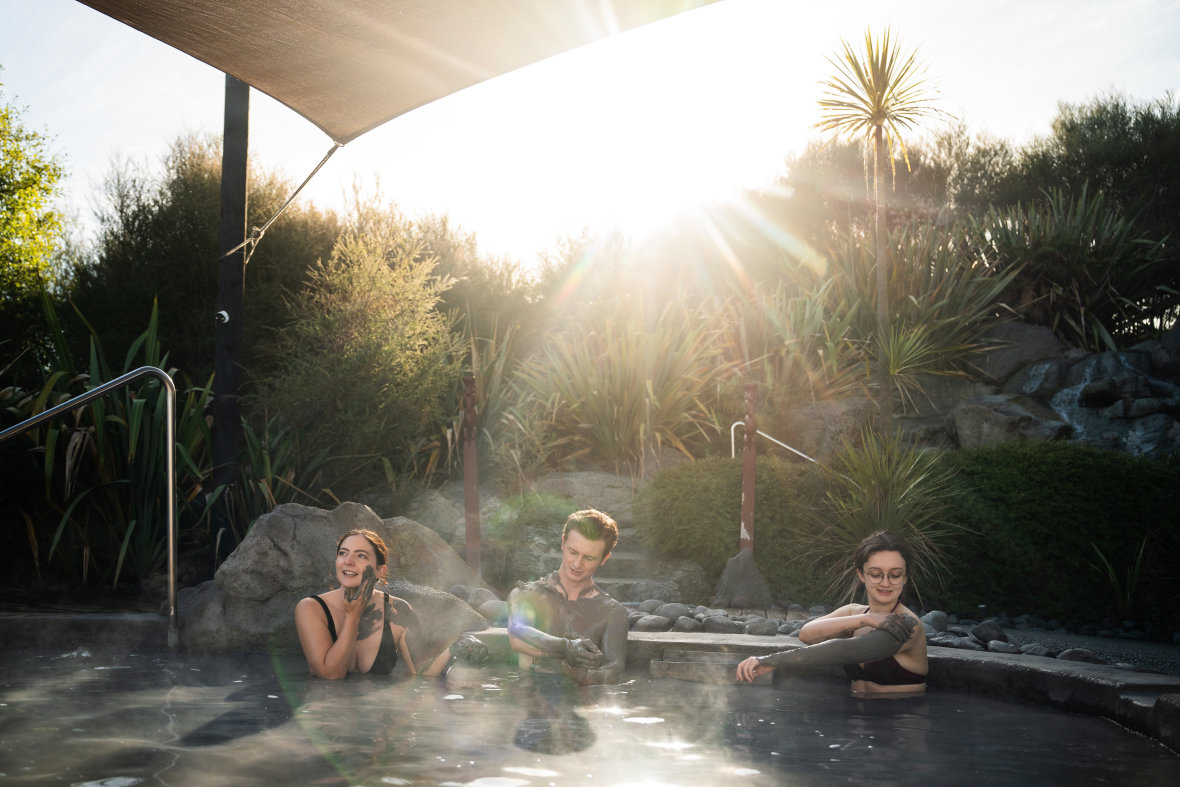
FAQs about wild escapes in New Zealand
1. What is a Wild Escape road trip?
A Wild Escape road trip is a nature-focused wellness holiday built around volcanic landscapes, native forests, wildlife and wilderness experiences. It is about discovery, slower travel and connecting with the places you visit.
2. Where can I go for a wild escape in New Zealand?
Good options include Northland, Waitomo, Rotorua, the Bay of Plenty, Wairarapa, Golden Bay and the West Coast. You only need one or two regions to create a trip that feels restorative.
3. What wildlife can I see in New Zealand?
Depending on where you go, you may see native birds such as tūī, kererū and kea, fur seals on the coast and glowworms in caves. Wildlife sanctuaries are a great way to see rare native species up close.
4. What are the best wild experiences in New Zealand?
Native forest walks, glowworm caves, geothermal valleys, wildlife sanctuaries, eco boat tours and glacier experiences are all strong options. The best fit depends on whether you want forest, coast, mountains or volcanic landscapes.
5. Can you do a wild escape on a campervan holiday?
Yes. A campervan makes it easier because your bed, kitchen and gear are with you, so you can travel at your own pace, adjust plans around the weather and stay close to nature within local camping rules.