


Join thousands of fellow campervan travellers
Sign up for our Britz newsletter to receive inspirational travel content and awesome deals, and we'll send you a copy of our Ultimate RV guide!
Thanks
Please confirm subscription in your email.
Why do people go to Yellow Water Billabong?
People visit Yellow Water Billabong because it offers one of the best wildlife experiences in Kakadu. The billabong is packed with life, from saltwater crocodiles and buffalo to wild horses and a remarkable variety of birdlife. Kakadu’s wetlands are famous for their biodiversity, and Yellow Water is a great place to see it up close.
The biggest draw is the chance to glide through the wetlands and watch the landscape come alive around you. Depending on the season and time of day, you might see magpie geese, egrets, jabiru, jacanas and sea eagles, along with crocodiles resting on the banks. Morning visits are often peaceful and filled with birdsong, while late afternoon can bring golden light and excellent crocodile spotting.
There is also a strong cultural aspect to the area. Yellow Water, also known as Ngurrungurrudjba, sits within Country that has deep significance for Traditional Owners. Nearby, the Warradjan Aboriginal Cultural Centre adds another layer to the visit, helping travellers better understand local culture, stories and connection to the land.
How long should I spend at Yellow Water Billabong?
Most travellers should allow at least half a day at Yellow Water Billabong. That gives you enough time to join a Yellow Water cruise, take in the views around the boardwalk area, and enjoy a relaxed stop at nearby Cooinda. If you are short on time, a single 90 to 120-minute cruise can still be a standout experience.
If you want to do the place justice, a full day is even better. Many visitors choose an early morning cruise for cooler temperatures and active birdlife, then spend the rest of the day visiting the cultural centre, relaxing at Cooinda, or walking to the viewing platform at Home Billabong when conditions allow. The walk is 2.6 km return.
How to get to Yellow Water Billabong
Yellow Water Billabong is located near Cooinda in Kakadu National Park, roughly 300 km from Darwin. The drive generally takes around 3.5 hours, depending on conditions and stops, via the Arnhem Highway and Kakadu Highway. The roads to the main Yellow Water attractions are suitable for a standard 2WD vehicle, so you do not need a 4WD to visit.
Once you are in the Cooinda area, signs direct you to the cruise departure point, nearby accommodation, and visitor facilities. With sealed-road access and services close by, Yellow Water is an easy Kakadu attraction to include on a self-drive itinerary.
If you are travelling by Britz campervan, the route is ideal for a self-drive trip. You can set your own pace, stop at other Kakadu highlights along the way, and arrive with everything you need for a comfortable overnight stay nearby.
Best time to visit Yellow Water Billabong
The best time to visit Yellow Water Billabong depends on the kind of experience you want. For most travellers, the dry season from May to October is the easiest and most comfortable time to go. Days are generally sunny, nights are cooler, and road access is more reliable. This is also the most popular season for touring Kakadu.
The wet season, generally from November into March or April, has a completely different feel. It is hotter, more humid, and brings dramatic thunderstorms, lush landscapes and changing water levels. While conditions can be more challenging, the wetlands are stunning at this time of year and the scenery can be spectacular. Just be aware that heavy rain may affect access in parts of the park, so it is worth checking conditions before you travel.
For wildlife viewing, the time of day matters as much as the season. Early morning cruises are great for birdlife and cooler temperatures. Afternoon and sunset cruises are popular for the warm light and the chance to see crocodiles out on the banks. If your schedule allows, taking one of each is a fantastic way to experience the billabong.
Weather in Yellow Water Billabong
Yellow Water Billabong has a tropical climate, so expect heat for much of the year. In the cooler dry months, roughly June to August, daytime temperatures are often around 30°C and nights can drop to around 17°C. This is the most comfortable period for many visitors, especially those travelling in a campervan.
As the dry season progresses into late dry, usually August to October, temperatures climb and can reach around 37°C. The wet season and monsoon months bring high humidity, heavy rain, storms and the possibility of flooding. Conditions are often hot and humid, with daytime temperatures frequently climbing into the mid to high 30s.
Whenever you visit, pack for sun, heat and changing conditions. Light breathable clothing, a hat, sunscreen and plenty of water are essential. In the wet season, add rain gear and be prepared for sudden downpours. Insect repellent is also a good idea year-round around the wetlands.
Best things to do at Yellow Water Billabong
The signature experience at Yellow Water is a wildlife cruise. These cruises run year-round and are one of the best ways to see the billabong properly. As you move quietly through the wetlands, guides help point out crocodiles, birds and other animals that are easy to miss on your own. The scenery alone is worth it, but the chance to see so much Kakadu wildlife in one place is what makes the cruise such a highlight.
If conditions allow, the walk to Home Billabong is another rewarding way to explore the area. This 2.6 km return track crosses the floodplain to a viewing platform and gives you a different perspective on Yellow Water’s wetland environment. The boardwalk sections are especially good for spotting birds and, at a safe distance, some very impressive crocodiles.
Nearby, the Warradjan Aboriginal Cultural Centre is well worth adding to your travel itinerary. It offers valuable insight into the culture, art and stories of the region, making your visit about more than just the scenery.
How much does it cost to visit Yellow Water Billabong?
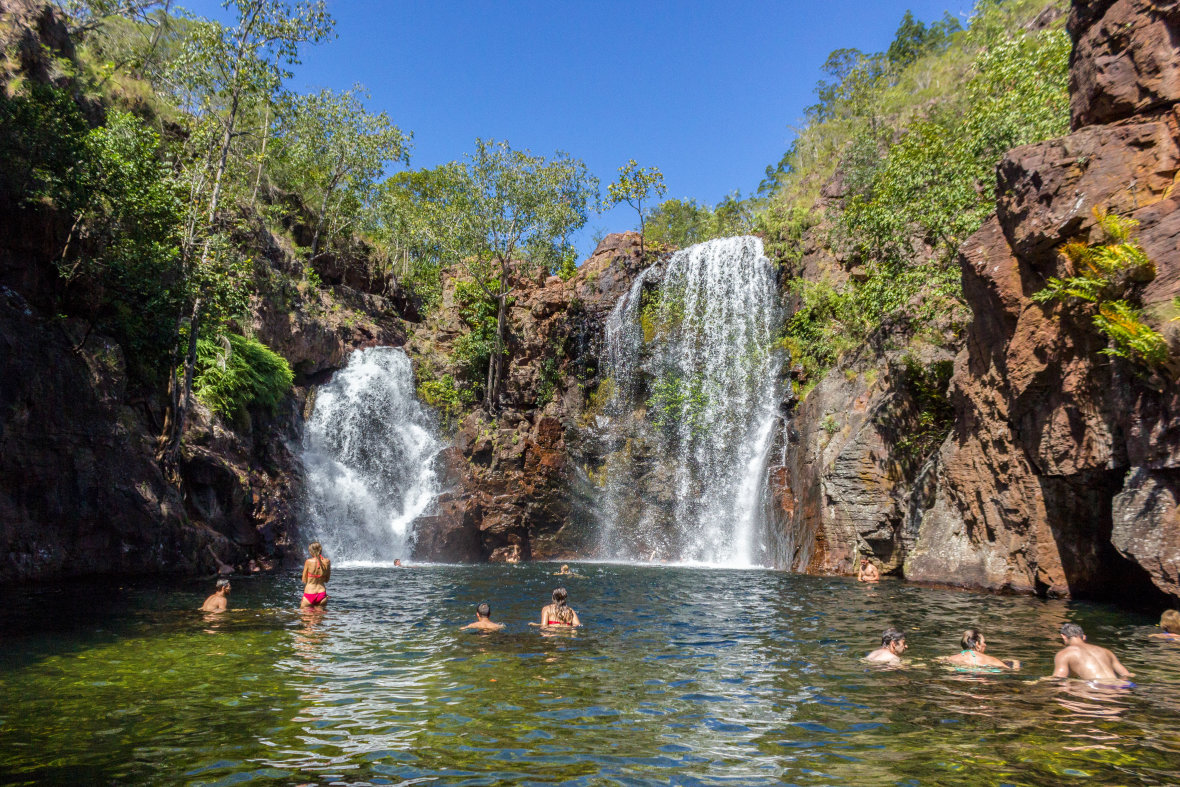
To visit Yellow Water Billabong, you will need a Kakadu National Park pass. A 7-day pass is generally around AU$40 per adult in the dry season and around AU$25 in the wet season. This covers park entry, but activities such as cruises are extra.
Yellow Water Cruises start from around A$105 per person for a 1.5-hour experience, with some tours running longer. Prices can vary depending on the time of day and the type of tour, so it is worth checking ahead and booking early in busy periods.
There is no separate fee to enjoy the general area beyond your park pass if you are sticking to self-guided viewpoints and walks that are open. If you are budgeting for a campervan trip through Kakadu, Yellow Water is one of those attractions where the cruise is absolutely worth planning for.
Best place to park your campervan at Yellow Water Billabong
The most convenient place to park your campervan near Yellow Water Billabong is the Ngurrungurrudjba (Yellow Water) Campground & Caravan Park at Cooinda. It is a handy base for visiting the billabong and offers both powered and unpowered sites. With around 100 powered sites and 200 unpowered sites, it is well set up for campervan travellers exploring Kakadu.
Staying at Cooinda also means easy access to useful facilities including a swimming pool, restaurant, bar, fuel station and general store. That makes it a very practical stop on a longer Northern Territory road trip, especially if you want a comfortable place to recharge between activities.
Another nearby option is Mardukal campground, around 6.5 km from Cooinda. These campgrounds offer showers, toilets, a boat ramp and a generator zone suitable for motorhomes and caravans. For most Britz travellers, the campground at Cooinda will be the easiest and most convenient choice, particularly if you have an early cruise booked. Overnight parking at unofficial spots is best avoided, so stick to designated campgrounds.
What should I watch for at Yellow Water Billabong?
The biggest safety message at Yellow Water Billabong is simple: do not swim or wade in the water. Saltwater crocodiles live here, and Kakadu’s waterways should always be treated with caution. Stay on marked tracks, keep to boardwalks and viewing areas, and follow all signs and ranger advice.
Another important factor is heat safety. Carry plenty of water and wear sun protection including a hat and sunscreen. For walks and outdoor activities in hot conditions, plan your water needs carefully and allow more if you are out for longer. Even short walks can feel much harder in the Top End heat, especially later in the dry season or during the build-up to the wet.
If you are driving in the wet season, be aware that heavy rain can affect road conditions and access across Kakadu. Main routes to Yellow Water are generally straightforward, but conditions can change quickly elsewhere in the park. Check local access updates before setting off, drive to conditions, and allow extra time in your itinerary.
Yellow Water Billabong is one of the great Kakadu experiences, and it suits campervan travel perfectly. With incredible wildlife, easy road access, memorable cruises and convenient places to stay nearby, it is a natural addition to any Top End itinerary. If you are dreaming of wetlands at sunrise, crocs on the banks and the freedom to explore Kakadu at your own pace, this is the kind of stop that makes booking a Britz campervan feel like the start of a proper adventure.
FAQs and quick answers
Is Yellow Water Billabong worth visiting?
Yes. It is one of the top wildlife Kakadu experiences, known for its wetlands, birdlife and frequent crocodile sightings, best seen on a guided cruise.
Can you visit Yellow Water Billabong without a tour?
Yes. You can access viewing areas and walks on your own, but a cruise is the best way to experience the billabong and see wildlife up close.
How long should you spend at Yellow Water Billabong?
Allow at least half a day. A single cruise takes around 90 to 120 minutes, but many travellers stay longer to explore nearby areas and relax at Cooinda.
Do you need a permit to visit Yellow Water Billabong?
Yes. You need a Kakadu National Park pass to enter the park. Cruises and other guided experiences are an additional cost.
Can you swim at Yellow Water Billabong?
No. Swimming is not permitted due to the presence of saltwater crocodiles. Visitors should stay on marked paths and viewing areas at all times.
Where should you stay when visiting Yellow Water Billabong?
The most convenient option is the campground and caravan park at Cooinda, which offers powered and unpowered sites and easy access to cruises and facilities.
Road trips that pass through
Kakadu National Park 4WD Explorer Itinerary
Kakadu National Park Long Weekender
Family Road trip: Darwin to Alice Springs
Kakadu and Katherine - Nature's Way
Experience the extraordinary Kimberley region by 2WD