


Join thousands of fellow campervan travellers
Sign up for our Britz newsletter to receive inspirational travel content and awesome deals, and we'll send you a copy of our Ultimate RV guide!
Thanks
Please confirm subscription in your email.
Why do people go to Great Otway National Park?
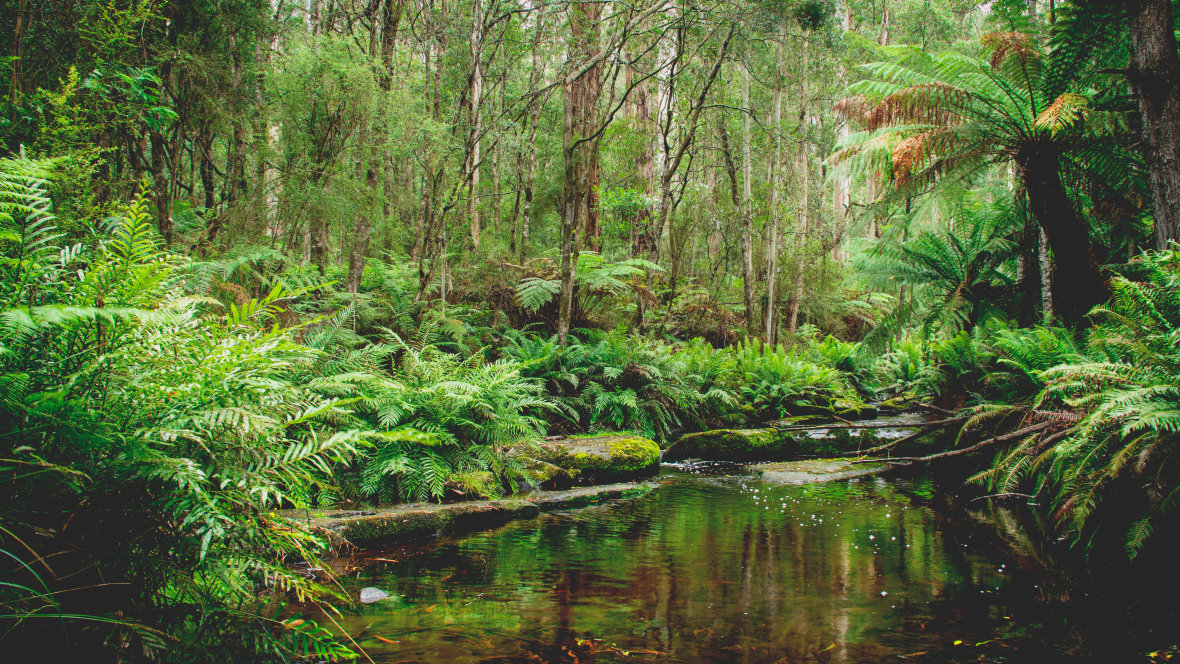
The Otways are loved for their striking contrasts. Rugged headlands, sandy coves, and rock platforms skirt a coastline known for powerful swells, while just inland, you step into cool temperate rainforest with soaring eucalyptus, giant tree ferns, and cascades.
The park covers close to 1,000 square kilometres, so it never feels one-note. In a single weekend, you can wander a cathedral-like redwood grove, feel sea spray on a clifftop walk, and picnic beside a river where platypus sometimes ripple the surface. Signature experiences seal the deal. The Great Ocean Walk traces clifftops, beaches, and heathlands between Apollo Bay and the Twelve Apostles, and many travellers sample a section or two for epic views without committing to the full distance.
Cape Otway Lightstation is a time capsule with a knockout panorama, and from late autumn through winter, you may spot southern right and humpback whales offshore. Waterfalls are a year-round highlight, with well-known names like Erskine, Hopetoun, Triplet, and Kalimna framed by lush fern gullies. Wildlife watching is part of the rhythm here too, from koalas near Kennett River to dawn and dusk platypus viewings at peaceful Lake Elizabeth.
Unmissable sights and things to do in Great Otway National Park
-
Erskine Falls near Lorne for a dramatic drop into a fern-filled gorge
-
Hopetoun Falls and Triplet Falls for photogenic cascades amid towering forest
-
Maits Rest rainforest walk for an easy loop over soft boardwalks and mossy roots
-
The Redwoods in the Aire Valley to stroll among giant Californian trees
-
Cape Otway Lightstation to climb the tower and scan for whales, May to October
-
Great Ocean Walk section from Blanket Bay to Parker Hill for clifftop views
-
Lake Elizabeth near Forrest to look for platypus at dawn or dusk
-
Johanna Beach for thundering surf and sweeping sand dunes
How long should I spend at Great Otway National Park?
2-3 days works well for a first visit, though adding a day or two lets you explore more beaches, waterfalls, and longer walks at an easier pace. Use one day for rainforest walks and waterfalls, another for Cape Otway Lightstation and nearby beaches, and a third to tackle a scenic section of the Great Ocean Walk.
If you are road-tripping the Great Ocean Road and only have a half day, pick one short trail, such as Maits Rest near Apollo Bay or Erskine Falls near Lorne, then head to a nearby coastal lookout for sunset. Distances between hubs can be longer than they look, so avoid linking far-apart stops in a single short window. Build in flexibility for winding roads, muddy trails after rain, and those magic wildlife moments that reward patient travellers at dawn and dusk.
How to get to Great Otway National Park
From Melbourne, the most iconic approach is the Great Ocean Road. Allow around 3 hours to reach the eastern side of the park near Apollo Bay, noting that the coastal route is slower but incredibly scenic with frequent lookouts. If you prefer a more direct drive in a campervan, the inland route via Geelong and Colac connects to the forested heart of the Otways and then drops to the coast at Apollo Bay or Lorne.
The western reaches around Cape Otway and Johanna Beach sit roughly 225 kilometres from Melbourne. Apollo Bay and Lorne are the key coastal bases with fuel, groceries, bakeries, and visitor information, while Forrest offers access to Lake Elizabeth and mountain biking trails. You will find signed day parking at most major trailheads and picnic areas. Some access roads to coastal campgrounds and beaches are narrow, unsealed, or steep in sections, so take your time, follow signage, and use designated parking areas rather than roadside verges.
Best time to visit Great Otway National Park
The Otways deliver something special in every season. Winter and early spring bring the heaviest rains, which turn waterfalls into thundering curtains and leave the rainforest at its lush best. This period also lines up with whale migration along the coast, with reliable viewing windows from late autumn through winter and into early spring.
Summer is mild on the coast with average daytime highs around the low 20s Celsius, great for beach picnics, longer daylight, and evening forest walks, though it is the busiest time.
Autumn offers calmer weather, fewer crowds, and excellent hiking conditions. Whatever the month, coastal winds and sudden showers can roll through quickly, so check forecasts and pack layers.
Weather in Great Otway National Park
Expect a cool temperate climate with plenty of moisture in the air. Coastal daytime temperatures commonly range from about 13°C in mid-winter to around 21°C in summer. Rain falls year-round, peaking through winter months when rivers and falls surge, and easing in summer when conditions are drier but still changeable.
Inland ridgelines often sit in mist, and coastal headlands can be windy. Good hiking shoes with grip, a rain jacket, and warm layers will keep you comfortable whether you are wandering a fern gully or pausing at a breezy lookout.
Entry fees and permits at Great Otway National Park
There is no general park entry fee. Park-managed campgrounds usually require advance booking, and fees typically apply and vary by site. Policies and pricing can change or be seasonally adjusted, so check current details before you go. Popular coastal camps can book out quickly in peak periods, so make sure you book your sites ahead of your trip.
The historic Cape Otway Lightstation is a paid attraction with ticketed entry, and prices may change, so confirm before visiting. If you plan to hike and camp along sections of the Great Ocean Walk, secure your campsites ahead of time to match your daily distances.
Best place to park your campervan at Great Otway National Park
The park has several campgrounds that suit self-contained campervans, though some sites are tents only or have limited vehicle access.
-
Blanket Bay sits beside a sheltered cove and offers unpowered sites for tents and campervans, with a note that caravans are not suitable.
-
Johanna Beach spreads out behind the dunes with basic facilities and no showers, a favourite for those who want to fall asleep to ocean sounds.
-
Inland, Lake Elizabeth is a peaceful tents-only campground with a short walk to the lake at dawn and dusk.
-
Aire River East and West campgrounds straddle a scenic river corridor near the coast, and Parker Hill provides clifftop bush camping with a steep foot track down to the beach and tent-only sites.
Facilities across these sites are simple, usually with toilets, fireplaces where permitted, and limited or no potable water, so arrive prepared. Bookings for park campgrounds are essential year-round, especially in summer and during long weekends.
During the day, you will find designated parking at major trailheads, picnic areas, beach access points, and at the lightstation precinct. Avoid pulling over on soft shoulders or narrow bends, and do not overnight camp outside designated campgrounds. Many travellers base themselves in Apollo Bay for supplies, then move between coastal and forest sites to match their planned walks and waterfall stops.
Safety tips and things to watch for at Great Otway National Park
Beach safety is important here. Many Otways beaches are unpatrolled, with strong rips and cold water. If you want a swim, pick patrolled town beaches when lifeguards are on duty. Swim only if you are confident in ocean conditions, stick to sheltered coves, and never turn your back on the waves.
Terrain, weather and driving tips:
-
Clifftop tracks and waterfall lookouts can have steep drop-offs and slippery sections, particularly after rain.
-
Stay on marked trails, supervise children closely, and respect barriers.
-
Inland creeks can rise quickly during downpours, so avoid crossing flowing water and be prepared to turn back if conditions change.
-
Wildlife is part of the magic here, so give animals space and keep food securely stored to avoid attracting wasps or curious possums.
-
In warmer months, be mindful of snakes in long grass and along sun-warmed tracks, and check for ticks after walking through dense vegetation.
-
Some beaches, like Johanna, are important nesting habitat for Hooded Plovers from late winter through summer, so follow signs and keep to the wet sand near the waterline.
-
Dogs are restricted or prohibited in many parts of the park, and where allowed, they must be on a leash.
-
Drive cautiously at dawn and avoid driving at dusk when wildlife is most active on roads.
From the first whisper of a waterfall in a mossy gully to the thud of surf along a windswept beach, the Otways deliver the kind of variety that keeps days feeling full and memorable. Load your Britz campervan with a thermos, a pair of sturdy boots, and a sense of curiosity, then follow the bends of the Great Ocean Road into a diverse and much-loved nature escape.
Road trips that pass through
Great Ocean Road from Melbourne to Adelaide
Explore Victoria on a Melbourne Campervan Holiday