
Join thousands of fellow campervan travellers
Sign up for our Britz newsletter to receive inspirational travel content and awesome deals, and we'll send you a copy of our Ultimate RV guide!
Thanks
Please confirm subscription in your email.
Essential croc stops for your Top End campervan loop
Darwin and surrounds: safe close-ups and urban encounters
Start in Darwin, where two standout attractions let you meet crocodiles in controlled settings. Crocosaurus Cove in the city centre showcases everything from juveniles to enormous salties, with viewing tanks, daily talks and dramatic feed presentations that highlight the power of a crocodile’s jaws. It is a compelling place to learn what makes these reptiles such successful survivors before you meet them in the wild. A short drive away, Crocodylus Park brings the science and conservation story to life with hundreds of resident crocodiles. Timed feeding sessions reveal their lightning strike and territorial displays, and you can wander boardwalks that safely elevate you above the water. These two experiences are ideal first stops for families and anyone new to croc country.
Not far from Darwin, the Adelaide River is one of the Top End’s most famous crocodile waterways. Licensed operators run boat trips where you can watch wild crocs cruise the muddy edges or rise from the water in impressive leaps. It is a vivid demonstration of why you should never stand, fish or linger at the water’s edge. Enjoy the spectacle from the safety of a proper tour boat and keep all limbs inside at all times.
Mary River Wetlands: Corroboree Billabong
An easy 75 to 90 minutes east of Darwin, Corroboree Billabong is one of the Top End’s classic crocodile-viewing experiences. Set within the Mary River Wetlands, this area is known for abundant birdlife, lotus-covered channels and excellent chances of spotting saltwater crocodiles along the banks and in the shallows.
This labyrinth of floodplains and lotus-lined channels is a dream for photographers. Morning and sunset cruises glide along reed-fringed banks where crocodiles bask, slip into the water and silently reappear a few metres from the hull. The guides know the resident animals and help you read the ripples and bird calls that often signal a croc’s approach.
Kakadu National Park: iconic croc country
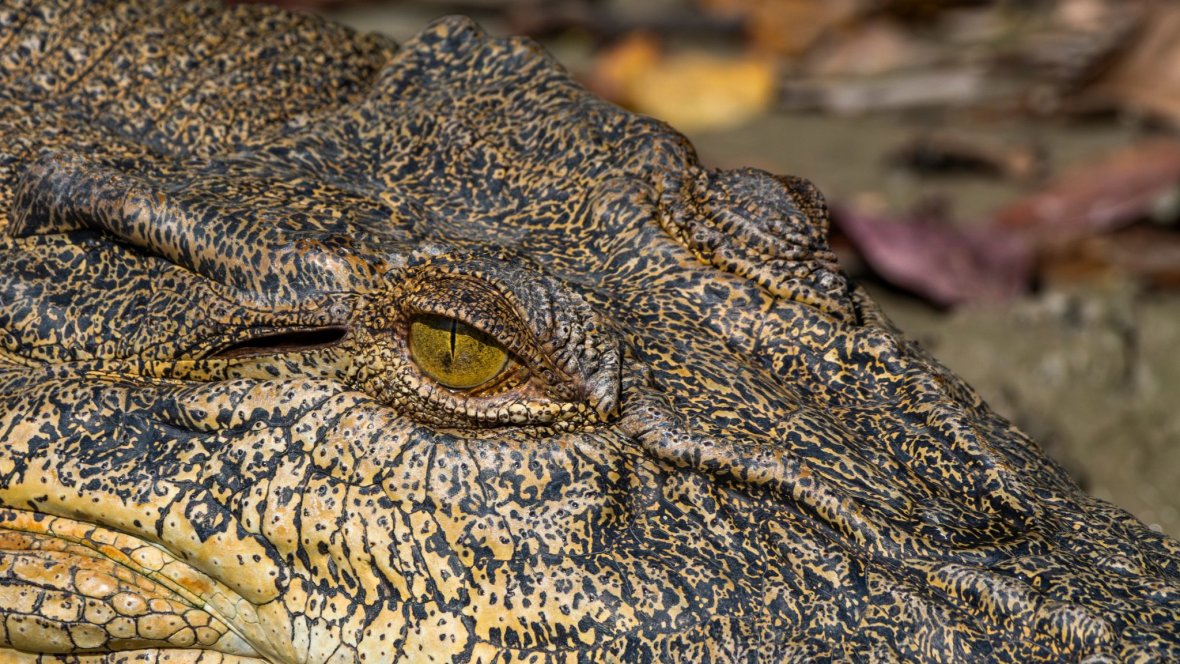
Kakadu is one of the world’s great wetland systems and home to around ten thousand crocodiles across both species. The best way to see them is by boat or from elevated platforms. Yellow Water Billabong, known as Ngurrungurrudjba, is a vast, reed-filled billabong famous for dawn and dusk cruises. Pale mist lifts from the water. Sea eagles patrol the sky. And then you spot it, a broad head and armoured back cutting through lilies as a crocodile hunts. Aboriginal-guided cruises here add stories of Country and seasonal change to the wildlife commentary, turning a wildlife outing into a deeper cultural encounter.
On the East Alligator River, the Guluyambi Cultural Cruise travels along the border of Arnhem Land with Traditional Owners as your guides. The river is known for big, old salties. You will learn how people have coexisted with these animals for generations, what tracks to read on the sand and how the river’s tides shape movement and feeding. It is a powerful reminder that this landscape is both beautiful and demanding of respect.
One of the Top End’s most dramatic viewing points sits at Cahills Crossing, where three raised platforms look over a causeway spanning the East Alligator River. In the late dry season, as tides push schools of fish upstream and back out again, dozens of large crocodiles gather to feed. From the platforms, you have a safe, commanding view of the action. People and vehicles should never attempt to wade, fish or stand on the crossing. Watch from above, and you will still be close enough to hear the snap of jaws and the churn of water.
More Kakadu waters: quiet wetlands and billabongs
Beyond the headline spots, Kakadu’s quieter billabongs and wetlands reward patient visitors. Mamukala is a favourite for birdwatchers in the dry season, and crocodiles are sometimes seen cruising the margins or basking in shallows beyond the reeds.
Billabongs in the Burrungkuy (Nourlangie) region also hold freshwater and saltwater crocodiles, including well-known sites such as Anbangbang Billabong. Always use established tracks and viewing shelters, and never step down to the water’s edge for a closer look. In the Top End, if you cannot see a crocodile, it does not mean a crocodile cannot see you.
Katherine Region: Nitmiluk (Katherine Gorge) and the river country
A few hours south of Kakadu, the sandstone chasms of Nitmiluk (Katherine Gorge) open into a chain of gorges carved by the Katherine River. Guided cruises are your best bet for spotting crocodiles here. On rock ledges warmed by the sun, you may see a freshwater crocodile resting, and at times, saltwater crocodiles move through the system as well. Crew keep a watchful eye and share how park rangers manage seasonal surveys.
If you are visiting in the dry season when conditions allow, canoe hire sometimes operates in certain gorges. Only join in when the park has declared the relevant swimming and paddling areas open, and follow all instructions from rangers and operators. In and around Katherine, ask local visitor centres about evening or spotlight cruises. The reflection of crocodile eyes in torchlight is unmistakable and makes for a memorable, safe encounter from the deck of a boat. If you want a swim between wildlife outings, choose officially managed hot springs like those near Mataranka and respect all signs. Even in popular places, conditions can change and crocodile management is ongoing.
East Arnhem Land and the remote Top End
If your road trip extends into remote Country with permits and guides, East Arnhem Land offers wild coasts and estuaries where crocodiles patrol surf zones and creek mouths. This is serious croc territory and best explored with experienced operators who understand tides, access points and cultural protocols. Expect vast empty beaches, thick mangroves and an ever-present need to keep a generous distance from the water. For most travellers, the highlight will be the sense of space and the privilege of learning on Country with Traditional Owners.
How to plan your crocodile itinerary
For a classic one to two week campervan loop, start in Darwin with Crocosaurus Cove and Crocodylus Park, then head down the Arnhem Highway to cruise the Mary River Wetlands at Corroboree Billabong. Continue to Kakadu for Yellow Water, the Guluyambi Cultural Cruise and Cahills Crossing, allowing at least two or three nights to follow the light and tide cycles that boost your chances of action.
From there, drive south to Katherine for a Nitmiluk Gorge (Katherine Gorge) cruise and a gentle recovery day at a managed hot spring before looping back to Darwin. This route is most straightforward in the dry season. In the wet season, some attractions close or require 4WD, and certain roads or boat ramps can be inaccessible. Build in buffer time for weather and road conditions, which can affect tour schedules and park access, especially around the wet season. Check the latest park reports, road conditions and campsite availability before you lock in daily plans.
Crocodile safety and swimming guidelines
Being Crocwise is non-negotiable.
-
Keep a safe distance from all waterways, never approach, harass or feed a crocodile, and stay behind barriers and on marked tracks.
-
When boating or fishing, keep hands, feet and fish scraps inside the boat, avoid leaning over the gunwale and never clean fish at the water’s edge.
-
Camp well away from the shore, at least 50 metres from the water, and choose sites on high, open ground rather than concealed spots where crocodiles could approach unseen.
-
Only swim where official signage clearly states the swimming area is open. If there is no sign saying open, do not enter the water.
-
Many NT rivers, creeks and beaches have crocodiles, and these animals move with seasons and tides. A place that was safe last month might be under surveillance or closed today.
-
Heed all warnings from rangers and tour operators and ask for the latest information before you plan any water activity.
-
Finally, respect seasonal patterns. In the wet, crocodiles travel widely through floodplains and can cross land to find new habitat. In the dry, they concentrate around shrinking water sources, which often makes sightings easier but also brings people and crocodiles into closer proximity.
-
Treat every viewpoint and boat ramp with care, supervise children closely and keep cameras and tripods well back from the edge.
FAQs and quick answers
-
Where are crocodiles in the Northern Territory?
Crocodiles are found across much of the Top End, especially around Darwin, Kakadu, the Adelaide and Mary rivers, and waterways in and around Katherine. In the north, you should assume any natural waterway may be a crocodile habitat. -
Where to spot wild crocodiles in Darwin?
Some of the best places near Darwin to spot wild crocodiles are the Adelaide River and Corroboree Billabong in the Mary River Wetlands. Both are best experienced on licensed cruises. -
Are there crocodiles in Uluru?
No. Uluṟu is in Central Australia, far outside the natural range of saltwater crocodiles found in the Top End. -
Are there crocodiles in Katherine, NT?
Yes. Freshwater crocodiles are part of the Katherine region, and saltwater crocodile management also operates in the wider Katherine area, so always follow local signage and safety advice.
Ready for a Crocwise adventure?
The Top End rewards those who plan well, travel with curiosity and respect the rules that keep people and wildlife safe. With a Britz campervan and this guide, you can experience the NT’s defining creature in the places it truly belongs, from misty billabongs to tidal rivers alive with barramundi. Book your tours ahead, follow the signs, and you may enjoy the unforgettable thrill of seeing a crocodile surface beside your boat, eyes bright, armour gleaming in the Northern Territory sun.